
Top Geoplast green projects that combat urban heat
-
Urban heat islands are a rapidly growing problem that need addressing.
-
Geoplast green products combat urban heat by transforming exposed surfaces into vegetation cooled usable areas.
-
Completa, Rootbox, Salvaverde, Wall-Y, Runfloor can quickly and easily reduce urban heat.
Urban heat islands can be efficiently reduced with Geoplast green products. Here are our top green projects that demonstrate this:
Le Margherite kindergarten, Italy
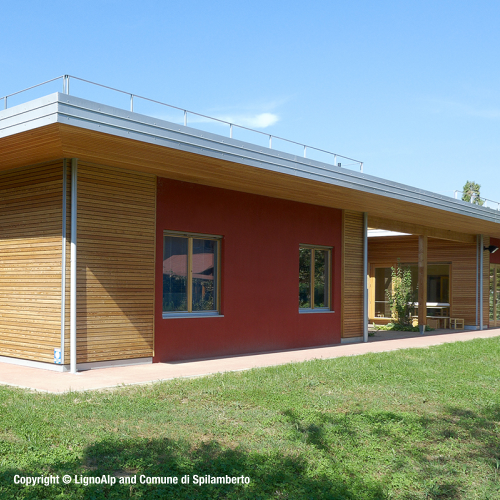
Completa was used to create a roof garden that improved the building’s environmental performance. The vegetation, growing substrate, and layered roof build-up helped reduce direct solar exposure on the roof and limit heat gain through the building envelope. This improved indoor comfort for children and staff while turning an unused roof into a climate-resilient surface. The project shows how rooftop vegetation can support urban heat reduction and sustainable profitability.
Office atrium, Tel Aviv
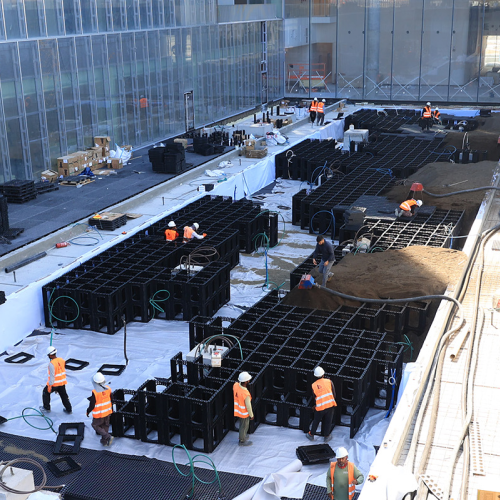
Rootbox was used to support vegetation inside a dense urban office development. The product helped provide suitable soil volume for tree roots, which is critical where compacted urban construction limits root expansion. The urban heat island benefit comes from increased shade, evapotranspiration, and healthier vegetation within a hard urban context. This project shows how Geoplast innovation can turn dense commercial spaces into cooler and more comfortable areas.
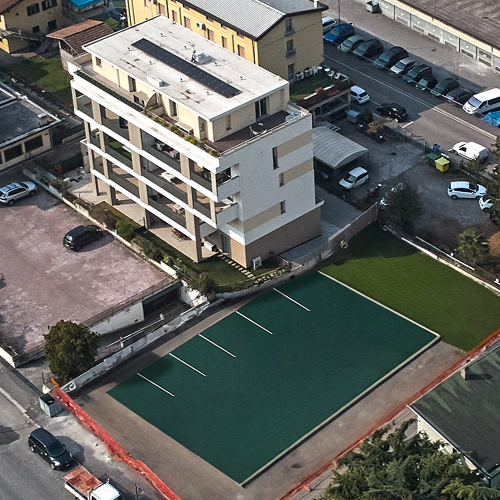
Parking area, Brescia, Italy
Salvaverde was used to create a vegetated parking surface instead of a fully sealed mineral surface. The product helped protect grass under vehicle use, keeping the parking area functional while maintaining vegetation. This reduced heat absorption compared with conventional asphalt or concrete paving. The project demonstrates how parking infrastructure can contribute to climate resilience without losing usability.
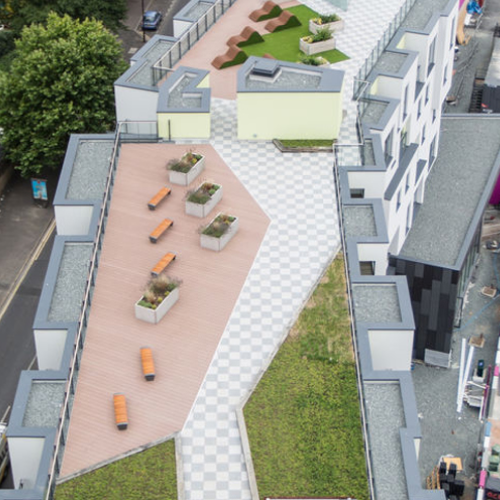
Bermondsey Works, London
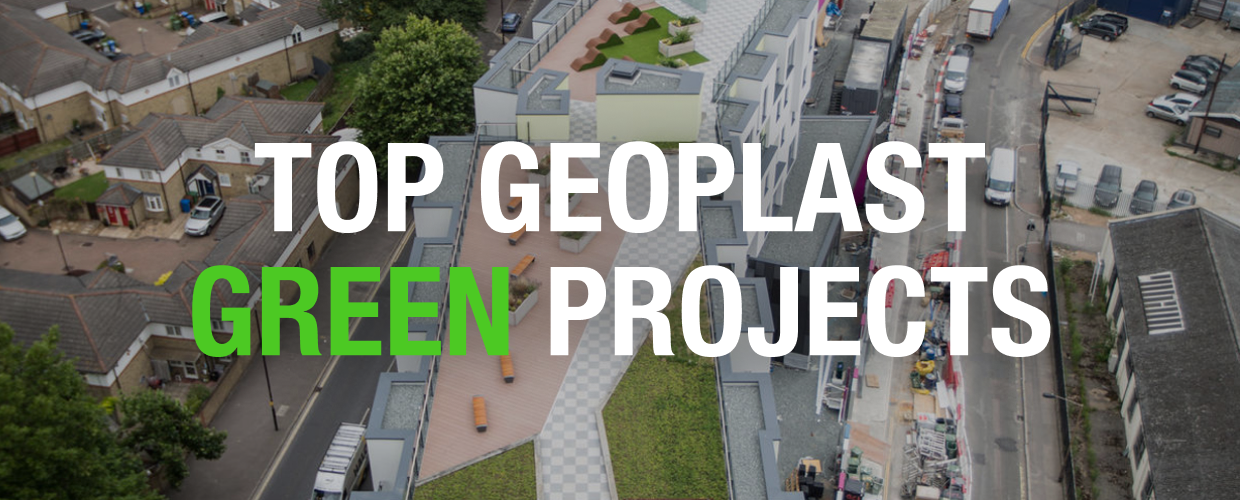
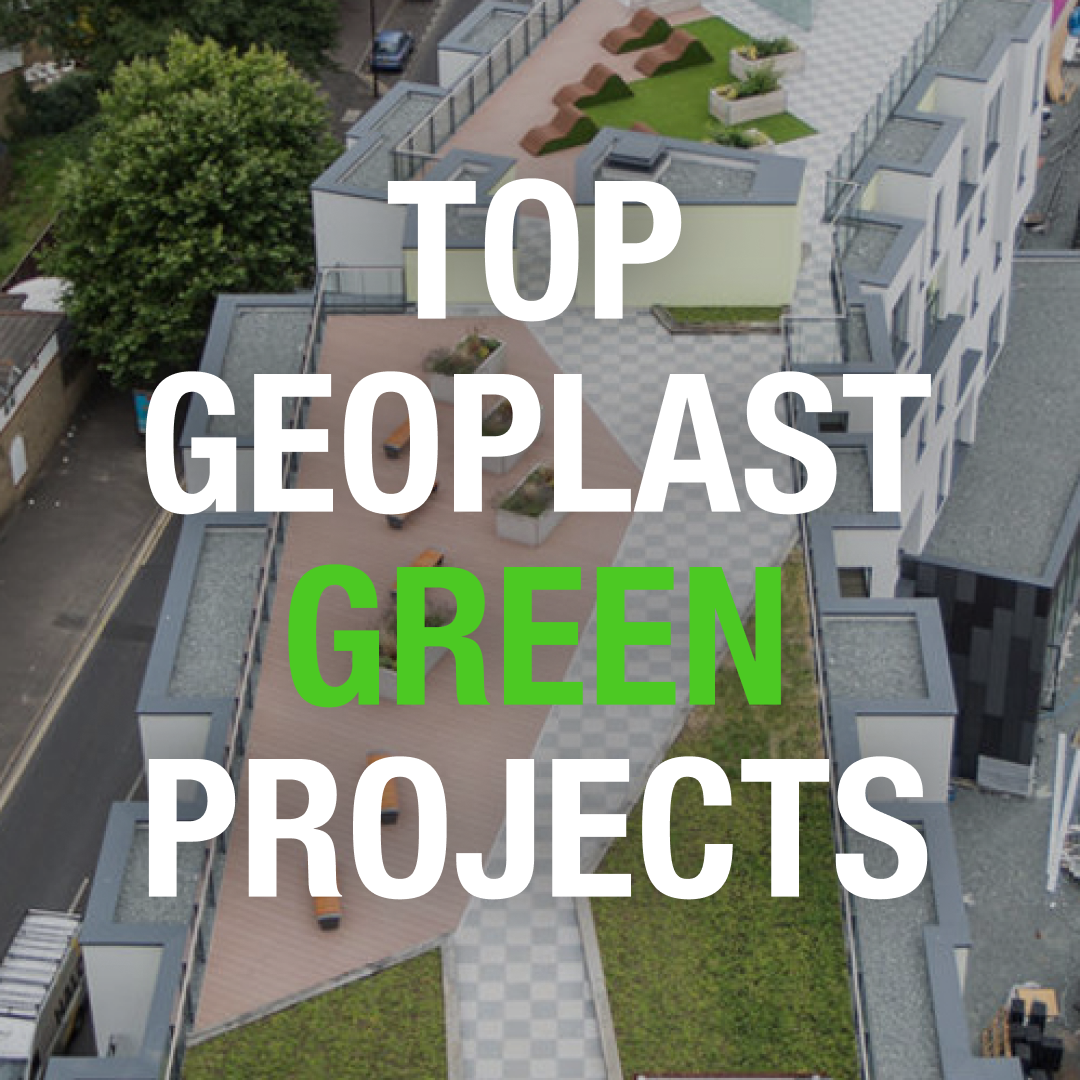
Completa was used to support an extensive roof garden in a dense urban development. The planted roof layer helped reduce direct solar exposure on the roof by adding vegetation and growing media above the building envelope. This contributed to thermal regulation and improved roof performance. The project shows how roof areas can become active climate surfaces instead of passive heat-absorbing elements.
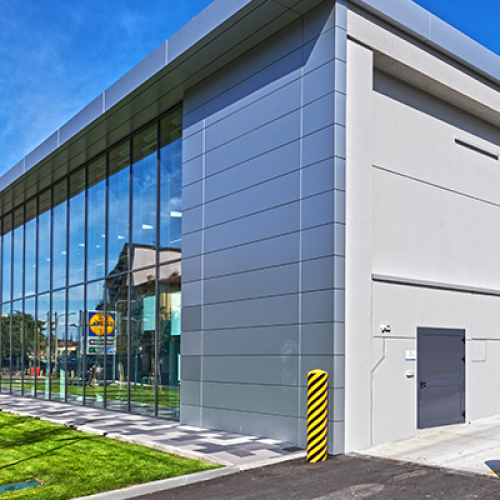
Lidl green driveway, Italy
Runfloor was used to create a durable vegetated driveway with fast installation, documented at 100 m²/hour per worker in the available project reference. The product helped maintain a permeable and vegetated surface where conventional hard paving would increase heat absorption. Its urban heat island benefit comes from preserving vegetation and reducing exposed mineral surface. The project shows how commercial access areas can remain functional while improving outdoor thermal comfort.
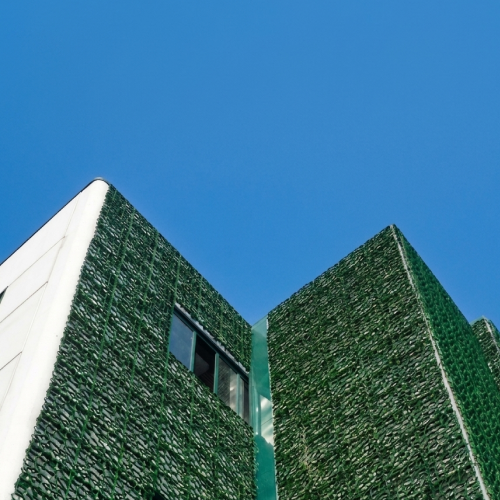
Green wall solution for Dacla Group, Italy
Wall-Y was used to create a vegetated wall surface for the Dacla Group project. The product supported vertical planting, adding vegetation where horizontal space was limited. Its urban heat island benefit comes from increasing planted surface area, improving shading, and reducing exposed hard façade surfaces. This project shows how vertical greenery can contribute to cooling in built environments without requiring additional ground area.