
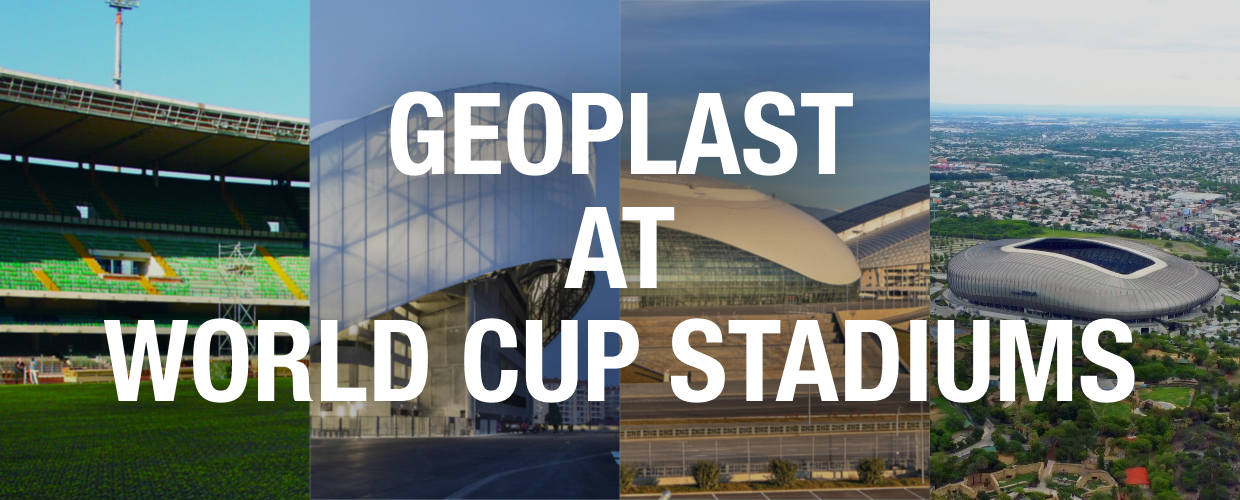
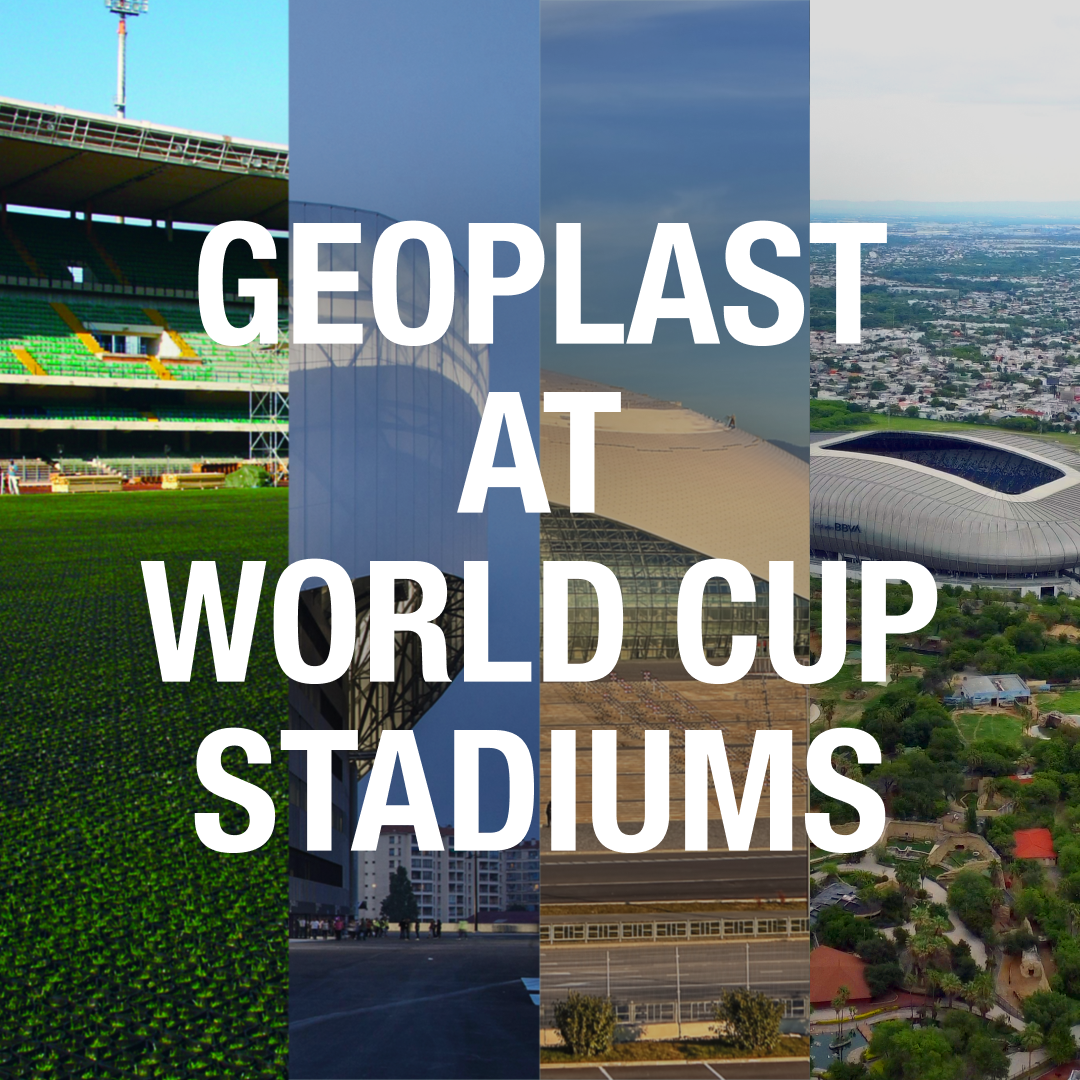
Geoplast products in FIFA World Cup stadium projects
-
FIFA World Cup stadiums demonstrate how innovative construction solutions can contribute to more sustainable and efficient building approaches.
-
Geoplast products have been used in stadium projects that hosted FIFA World Cup matches:
-
Marcantonio Bentegodi Stadium – Italy 1990
Stade Vélodrome – France 1998
Fisht Olympic Stadium – Russia 2018
BBVA Stadium – Mexico 2026
Here is a list of FIFA World Cup stadiums that used Geoplast products and therefore applied a sustainable profitability approach in construction:
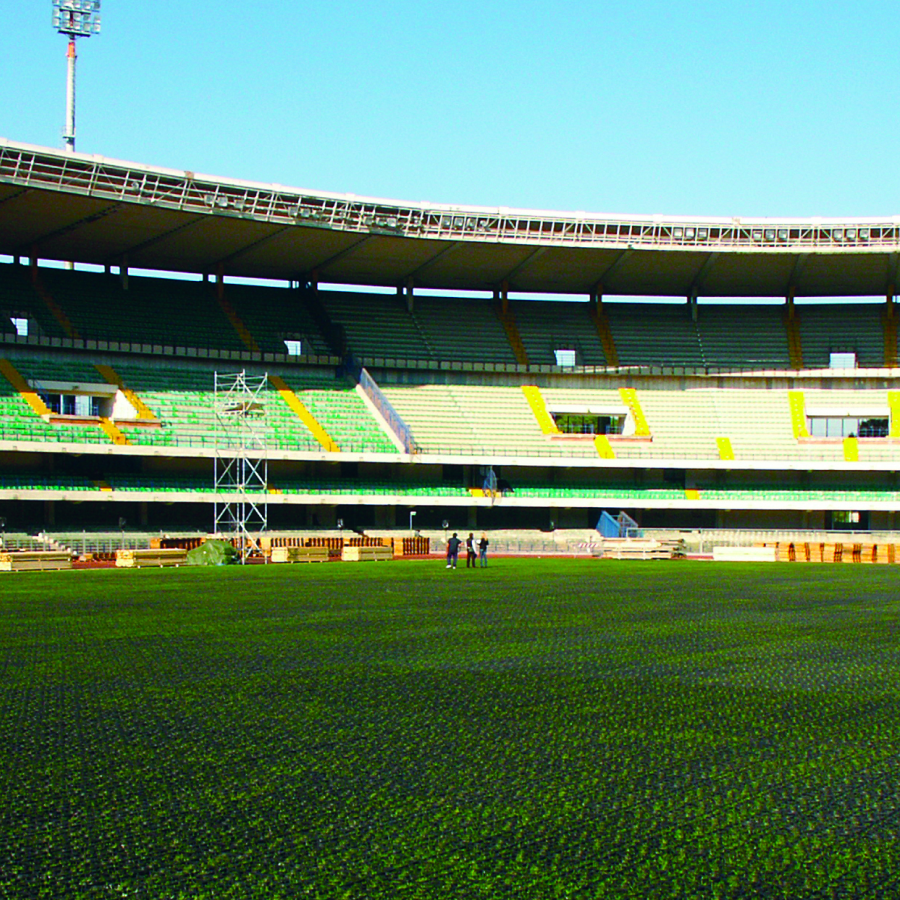
The Marcantonio Bentegodi Stadium in Verona, Italy
The Marcantonio Bentegodi Stadium, inaugurated in 1963 with a capacity of 39,371 seats, hosted 4 matches during the 1990 FIFA World Cup. Geoplast contributed to the stadium infrastructure with Geoflor, a plastic ground paver solution installed over 6,000 m² to protect the pitch and improve turf stability.
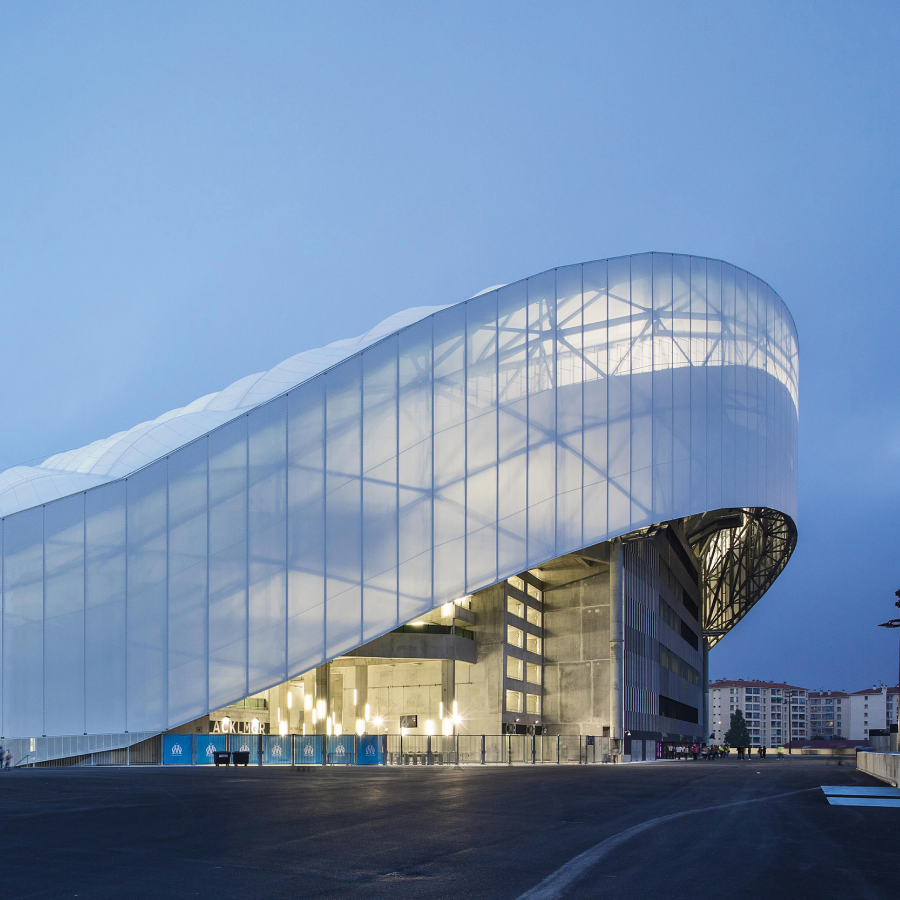
The Stade Vélodrome in Marseille, France
The Stade Vélodrome, renovated for the 1998 FIFA World Cup and expanded to a capacity of 60,031 seats, hosted 7 matches. Geotub, Geoplast’s recycled plastic formwork, was used for the reinforcement and renovation of stadium columns.
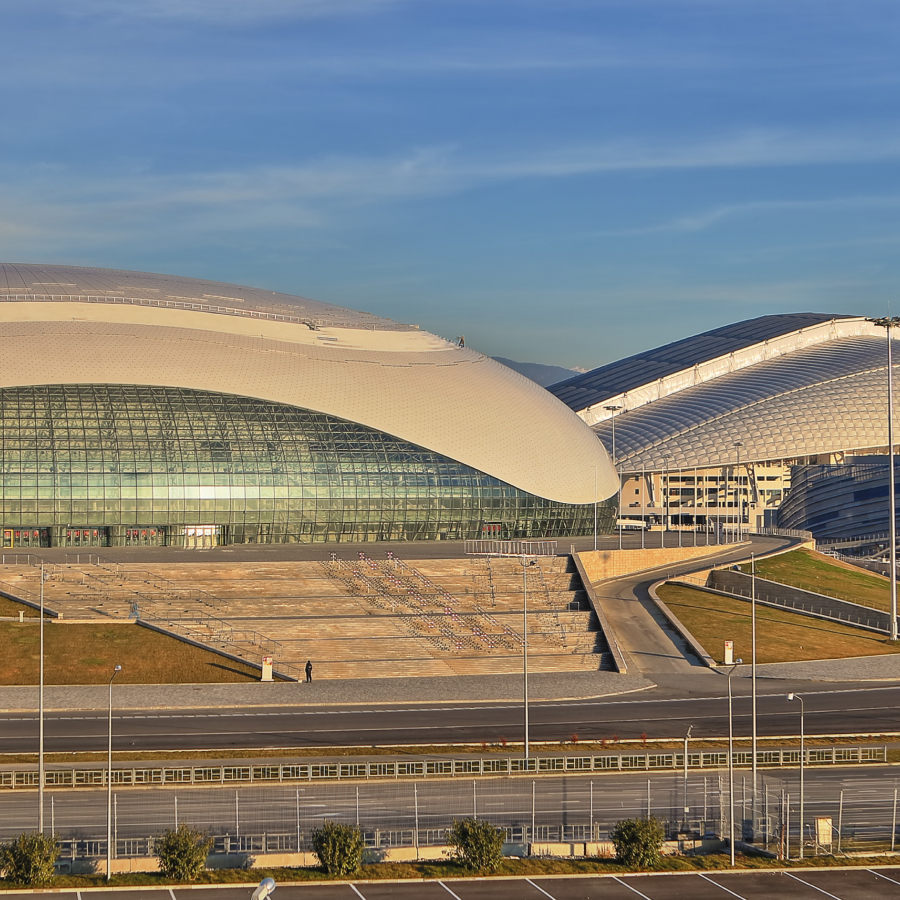
Fisht Olympic Stadium in Sochi, Russia
The Fisht Olympic Stadium opened for the 2014 Winter Olympics and later hosted 6 matches during the 2018 FIFA World Cup. Geotub, Geoplast’s reusable plastic formwork, was used to cast tall round concrete columns up to 6 meters high, eliminating the need for mechanical lifting equipment.
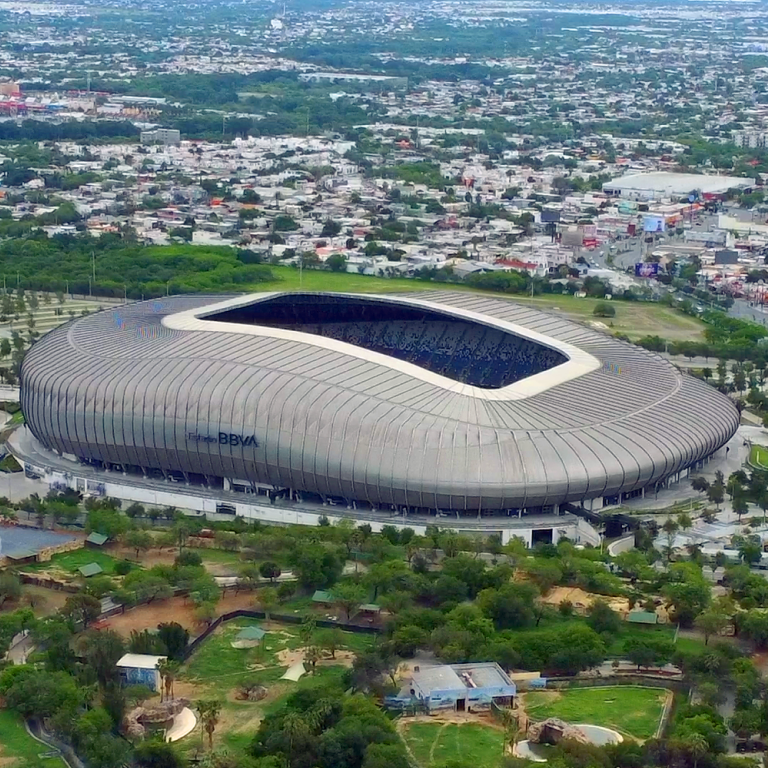
BBVA Stadium in Guadalupe, Mexico
The BBVA Stadium in Monterrey, inaugurated in 2015 with capacity of 51,000 seats, is selected to host matches during the 2026 FIFA World Cup. Aquabox, Geoplast’s underground stormwater management solution, was used for water storage, detention, and infiltration, providing an efficient solution with up to 96% void ratio.